Museo Nacional de Antropología
Every ruin's missing signage, under one concrete umbrella
⏱ Half day👤 All ages$
Get Tickets
Get Anthropology Museum Tickets
Skip the line · mobile tickets accepted at the door
The museum's making is Mexican modernism's proudest hour: the 1964 construction (Ramírez Vázquez's team built it in 19 months — the national-identity project of the century: the pre-Hispanic past enthroned as the republic's foundation), the umbrella courtyard's engineering (the single bronze-clad column carries the 54,000-square-foot canopy — the carved column's reliefs narrate Mexican history, and the water curtain's acoustics cool the court), and the collection's assembly (the Sun Stone's journey from cathedral wall to museum centerpiece; Pakal's mask excavated 1952 from the only Egyptian-grade royal tomb in the Americas). The halls' deep cuts: Coatlicue (the Aztec earth goddess's monumental terror — dug up in 1790 and reburied twice for being too disturbing), the Ocelotl-Cuauhxicalli jaguar vessel, the Maya hall's Yaxchilán lintels (the bloodletting queens), the Atlantes of Tula, and the ethnography floor's Huichol yarn cosmologies.
The visit craft: the big-four route for half days (Mexica center-rear first — the Sun Stone draws the crowds early; then Maya, Teotihuacan, Olmec), the full twelve for the committed day (the courtyard's halls sequence counterclockwise through time), the Pakal tomb stair's queue moving fast, the audio-or-guide decision (the labels run Spanish-first — the English layer via audio guide or the guided-tour ticket tiers is the difference between seeing and understanding), and the logistics: Chapultepec metro or the Reforma buses land at the gate, Tuesday-to-Saturday mornings breathe best, the restaurant books on weekends, and the castle-plus-museum Chapultepec day is CDMX's essential one. The pairing doctrine restated: museum BEFORE Teotihuacán transforms the pyramids; museum before the Yucatán flights does the same for Chichén — the itinerary that puts it first thanks itself for weeks.
Practicals and fit: Paseo de la Reforma at Chapultepec (metro Auditorio or Chapultepec), closed Mondays, 4-plus hours full or the big-four half day, guided tiers worth it. Fit: the ruins chip's cornerstone, first CDMX trips, families, and every Mexico itinerary — this is the one unmissable interior in the country.
What to Expect
Format
Twelve halls walking Mesoamerica civilization by civilization under the umbrella courtyard — the Sun Stone, Pakal's tomb, Olmec heads and the Teotihuacan facade — the Americas' greatest museum and the ruins' missing signage.
Best Time
Weekday mornings breathe (Sundays run resident-free crowded); see it EARLY in the trip — every ruin after reads tenfold richer; closed Mondays.
Duration
The big-four half day, or the full four-plus hours.
Tips
Take the audio guide or guided tier — the English layer is the difference between seeing and understanding. Descend the Pakal tomb stair. Stand under the umbrella's water curtain; the column's reliefs narrate the country.
⚡ Quick Picks
Best For
The ruins chip's cornerstone — do it first and every pyramid afterward reorganizes.
Families
The tomb stair, the colossal heads and the umbrella rain carry kids through the halls.
Couples
The Maya hall's hush and the courtyard café — CDMX's most civilized half day.
Pair With
Chapultepec Castle up the hill and the park's lake — the city's essential day.
Time Needed
One committed half day minimum.
Ready to book Anthropology Museum?
Get Tickets →Frequently Asked Questions
What are the must-sees?
The Aztec Sun Stone and Coatlicue in the Mexica hall, Pakal's jade mask and reconstructed Palenque tomb in the Maya hall, the Olmec colossal heads, and the painted Teotihuacan facade — the big four make the half-day route.
Why see it before the ruins?
The museum holds everything the pyramids only imply — the gods, tombs and painted facades — and Teotihuacán, Chichén Itzá and Cobá all read tenfold richer after these halls: it is the ruins' missing signage.
How long does it take?
Four-plus hours for the twelve halls at honest pace — the Mexica-Maya-Teotihuacan-Olmec big four compress it to a half day, and the audio guide keeps either version understood.
When should we go?
Tuesday-to-Saturday mornings — Sundays run free-for-residents crowded and Mondays close it — with the courtyard restaurant solving lunch.
Is it good for children?
The tomb stair, basalt giants, umbrella rain and the upper floor's masks run adventure-grade — pace it by the big four and the courtyard breaks.
More Mexico Attractions
Browse all →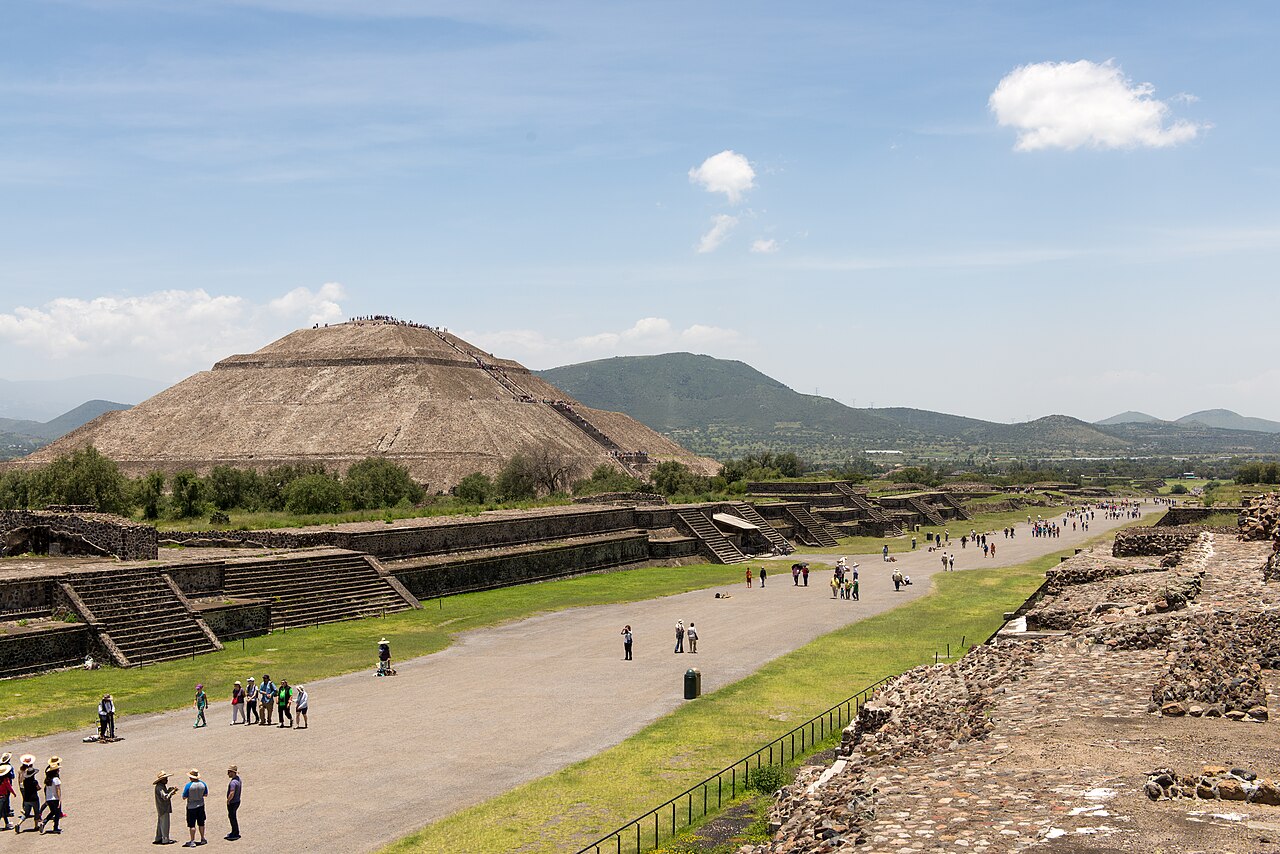
Teotihuacan (Mexico City)
The city of the gods — the Americas' greatest ancient metropolis, its Avenue of the Dead running between the colossal Pyramids of the Sun and Moon, an hour from Mexico City. Dawn balloons float above it.

Chichen Itza (Yucatan)
One of the New Seven Wonders of the World — the great Maya city crowned by El Castillo's perfect pyramid, plus the Great Ball Court, sacred cenote, and Temple of the Warriors. The Yucatan's essential day trip.
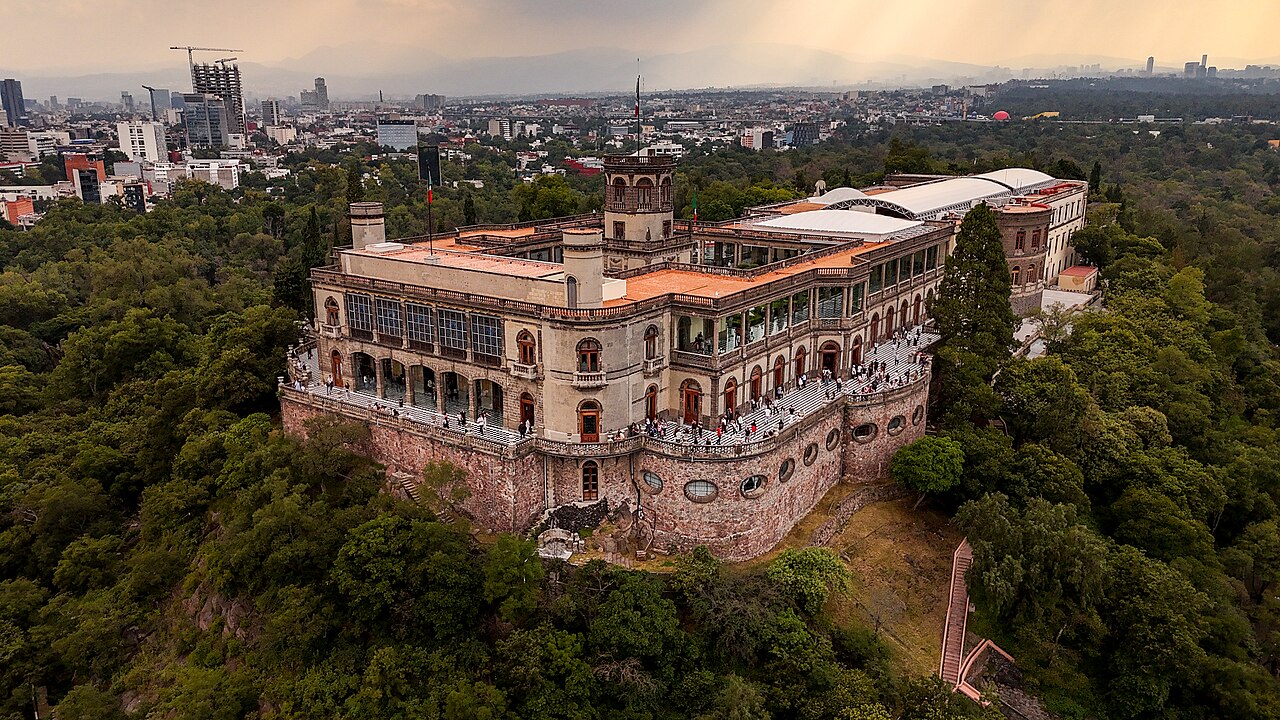
Chapultepec Castle (Mexico City)
The only true castle in the Americas to house sovereigns — Maximilian's hilltop palace above Mexico City, now the National History Museum, with Tiffany-glass halls, heroic murals, and the capital's best viewpoint.