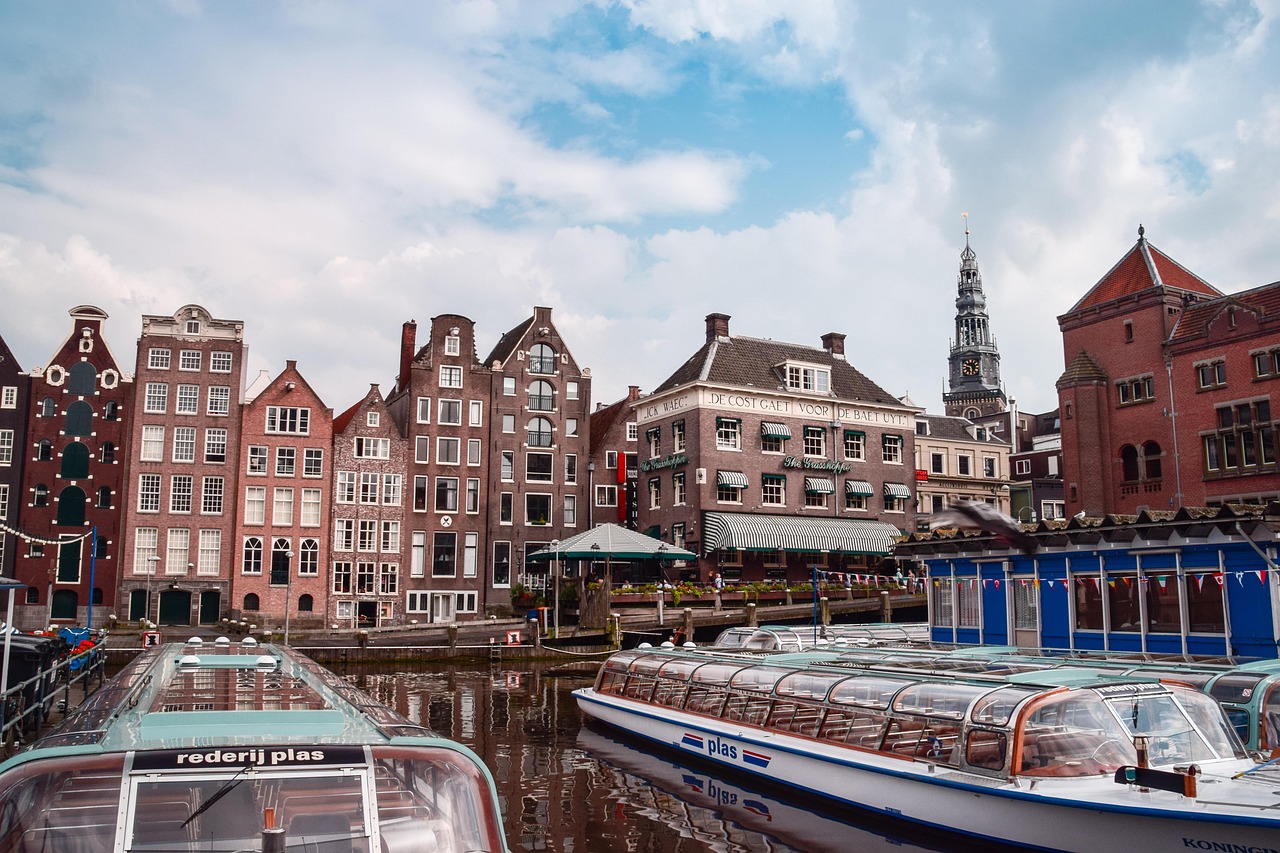
Xochimilco Trajineras
A thousand-year farm that throws a party
⏱ Half day👤 All ages$$
Get Tickets
Get Xochimilco Tickets
Skip the line · mobile tickets accepted at the door
The history floats under the party: the Valley of Mexico was a lake world — Tenochtitlan an island city fed by chinampa agriculture (the raised beds built from lake mud and willow anchors, among history's most productive farming systems) — and when the Spanish drained the lakes across three centuries, Xochimilco's canals survived as the system's last working remnant: the 180-ish kilometers of channels still farm flowers and vegetables (the name means place of the flower fields), the UNESCO listing (1987, with the centro) protects it, and the ecological battles (water diversion, urban pressure, the axolotl's crash) make the tourism economy part of the conservation argument — the trajinera fiesta funds the canals' survival. The axolotl layer: the salamander that never grows up (the biology-textbook celebrity regenerates limbs and stays aquatic-larval for life) lives wild ONLY here, its population crashed to near-extinction, and the chinampa-sanctuary projects (visitable on the quiet routes) breed it back — the creature is Xochimilco's mascot and its warning.
The craft in detail: the embarcaderos (Nativitas and Belem run the classic fiesta traffic; Cuemanco serves the ecological routes), the pricing reality (official per-boat-per-hour rates posted at the docks — the haggling targets add-ons and route length; the tour packages' fixed pricing trades flexibility for peace), the fiesta provisioning (bring a cooler or buy afloat — both are tradition; the michelada canoe finds you), the mariachi etiquette (agree the price per song before the first note), and the route choices: the 1-2 hour classic loop (the party channels), the 3-4 hour extensions (quiet canals, the doll island's detour, the farm chinampas), and the dawn-photography charters the embarcaderos quietly offer. The weekday-weekend doctrine restated: Sunday afternoon is the full carnival (families three generations deep, the water a parade); Tuesday morning is herons and lettuce beds — the same canals, opposite gifts.
Practicals and fit: Xochimilco's embarcaderos, 60-90 minutes south of the center (the tour-with-transport packages solve it; light rail from Tasqueña for the independent), boats by the hour, cash for the floating economy. Fit: groups and families first (the shared boat is the format), the food chip afloat, couples by register choice — and every trip that needs the city's happiness explained in one afternoon.
What to Expect
Format
A rented painted trajinera poling the last Aztec canals — mariachi boats alongside, food canoes passing elotes and micheladas, the weekend fiesta flotilla or the weekday garden quiet — with transport-included tours solving the distance.
Best Time
Saturday-Sunday afternoons for the full floating carnival; weekday mornings for quiet water, working chinampas and herons — both are the real Xochimilco.
Duration
A half day with transport; 1-2 hours afloat for the classic loop.
Tips
Agree the mariachi price per song before the first note. The michelada canoe will find you — cash small bills. Extended routes reach the doll island and the axolotl sanctuaries; the conservation visits earn their detour.
⚡ Quick Picks
Best For
Groups and families — the shared party boat is the format, and the city's joy is the cargo.
Families
A pirate-ship afternoon with quesadillas by canoe — three-generation tradition for a reason.
Couples
Weekday-morning charters run the romantic register; Sunday runs the carnival — choose knowingly.
Pair With
Coyoacán's plazas on the same southern day — Frida's museum en route back.
Time Needed
One southern half day, boat-hours by appetite.
Ready to book Xochimilco?
Get Tickets →Frequently Asked Questions
What are the chinampas?
The floating gardens that fed Tenochtitlan — raised beds of lake mud and willow anchors, among history's most productive farms — still worked after 1,000 years: the canals are the Aztec lake world's last living remnant, UNESCO-listed.
How does the boat economy work?
Trajineras rent whole by the hour at posted rates (groups split 18-20 seats), while the floating economy negotiates — mariachis per song (agree first), food canoes, flower paddlers — and tour packages fix the pricing with transport included.
What is the axolotl?
The salamander that never grows up — the regenerating biology-celebrity lives wild only in these canals, crashed to near-extinction, and the chinampa sanctuaries on the quiet routes breed it back; visits fund the work.
What is the doll island?
Isla de las Muñecas — the chinampa shrine of decaying dolls strung up across decades by its late caretaker — the macabre legend reached on extended routes of three-plus hours.
Weekend or weekday?
Both are true — Sunday afternoon runs Mexico's best floating party; Tuesday morning runs herons over lettuce beds. The canals are the same; pick the register your trip needs.
More Mexico Attractions
Browse all →
Frida Kahlo Museum — Casa Azul (Mexico City)
Frida's cobalt-blue house in Coyoacan — where she was born, painted, loved Diego, and died — kept intimate with her studio, dresses, and garden. Mexico City's hottest ticket: book online, well ahead.
Teotihuacan (Mexico City)
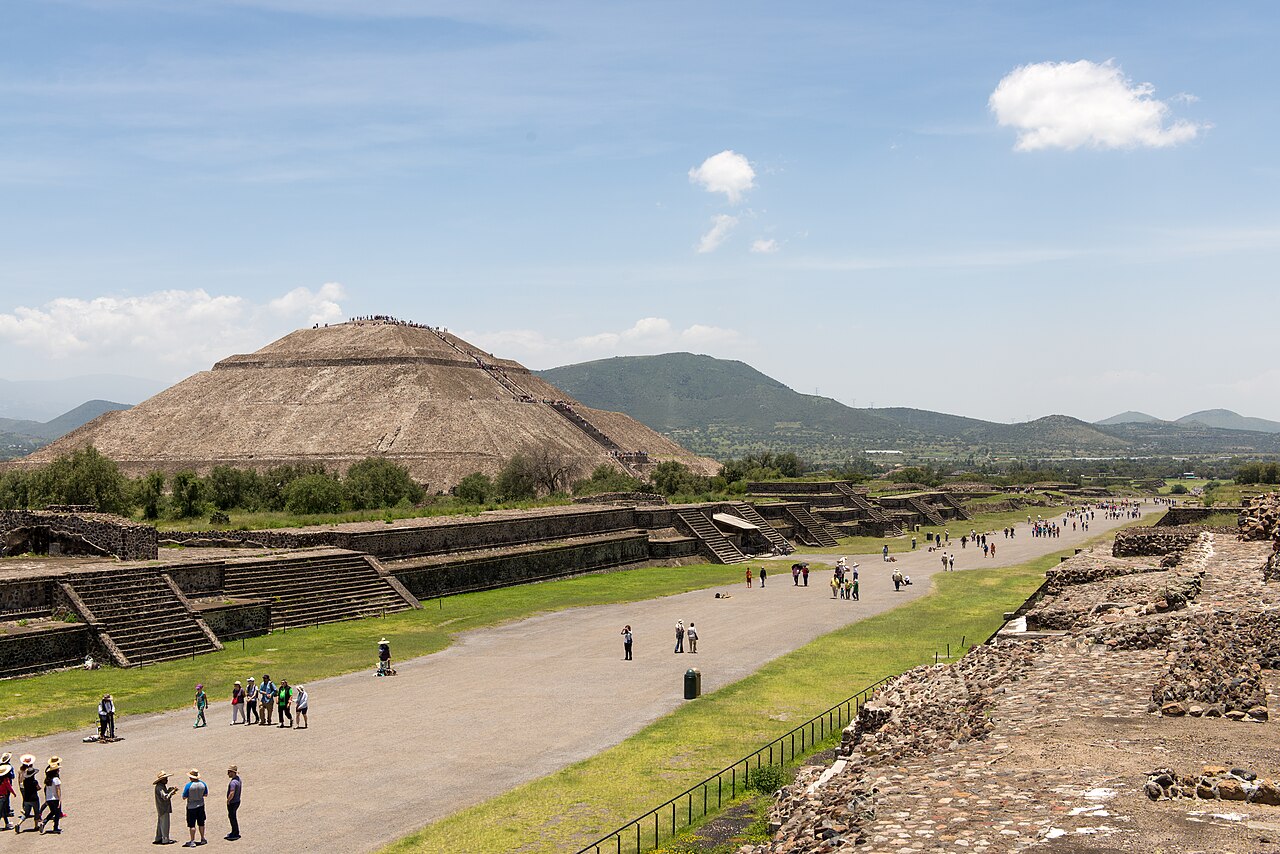
The city of the gods — the Americas' greatest ancient metropolis, its Avenue of the Dead running between the colossal Pyramids of the Sun and Moon, an hour from Mexico City. Dawn balloons float above it.
Museo Nacional de Antropología
The greatest museum in the Americas — the Aztec Sun Stone, Pakal's jade mask and the colossal Olmec heads under Chapultepec's umbrella courtyard: every civilization the ruins belong to, explained in one unmissable day.