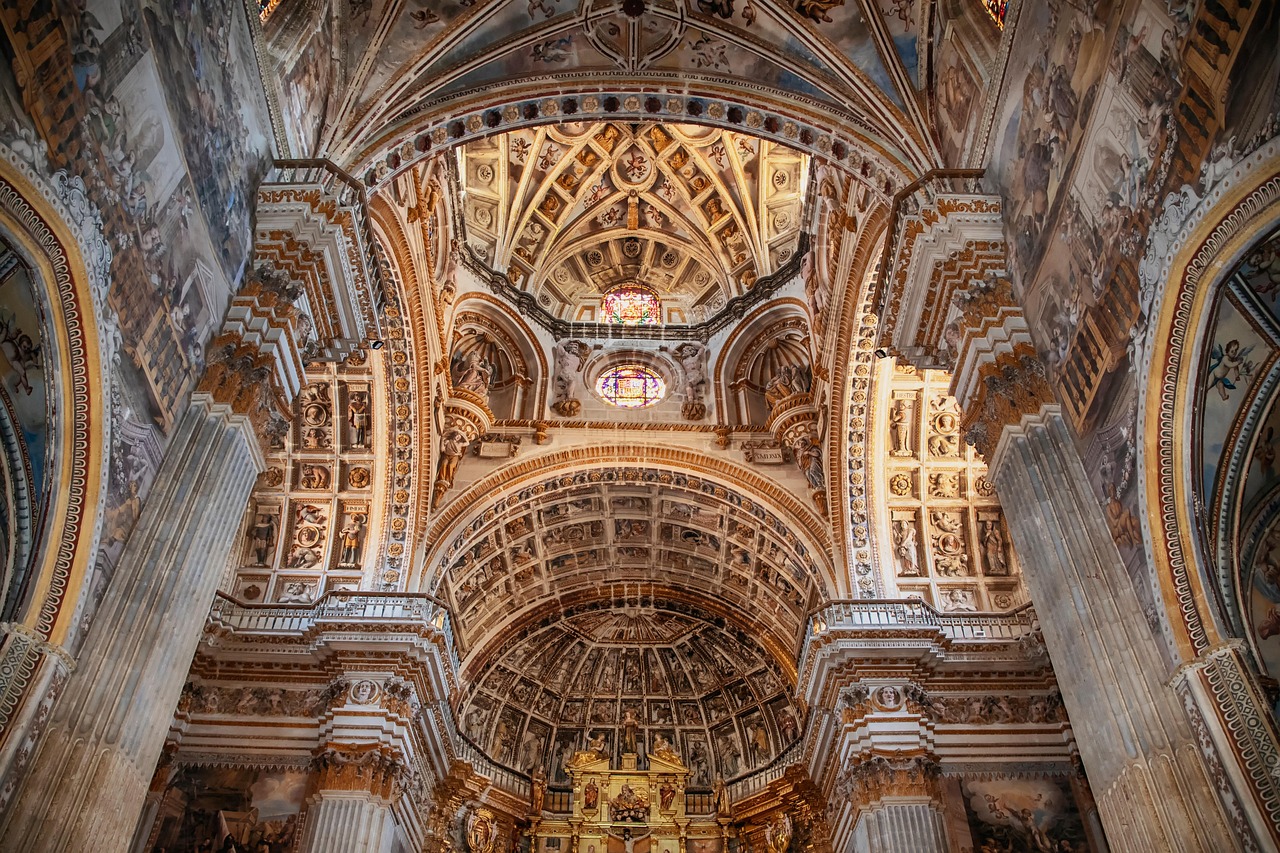
Zócalo & Centro Histórico
The conquest, made architectural
⏱ Half day👤 All agesFree
Get Tickets
Get Zócalo Tickets
Skip the line · mobile tickets accepted at the door
The square's layers deserve unpacking: Tenochtitlan's sacred precinct stood here (the Templo Mayor's twin shrines to Tláloc and Huitzilopochtli anchored the island city of 200,000-plus — larger than any European capital of its day), Cortés razed and rebuilt with the rubble (the cathedral's stones ARE the pyramids' — the recycling is literal), the viceregal centuries built the palace-and-church fabric, and the republic's history played out on these flagstones (the independence Grito rings from the palace balcony every September 15 — the night the square holds half a million). The Templo Mayor's story is archaeology's great urban drama: the 1978 Coyolxauhqui discovery (the dismembered-goddess monolith under the streetlight crews' cable trench) triggered the excavation that demolished colonial blocks to free the pyramid's base — the site museum's holdings (the recent monumental finds continue: the tzompantli's real skulls, the golden offerings) make it the ruins chip's in-city essential, and the Antropología pairing completes it.
The walk's craft: Templo Mayor at opening (the site before heat and crowds; 90 minutes with museum), the cathedral's hour (the pendulum, the sinking lines, the choir), the Palacio's Rivera stairway when access runs (the mural reads bottom-up — Aztec world, conquest, independence, revolution, Rivera's Marxist future — the single densest artwork in the country; passport or ID required, schedules vary: confirm current visiting rules), then Madero's pedestrian kilometer (Azulejos tiles, the Torre Latino's deck option) to Bellas Artes — the centro's spine in half a day. The eating layer: the tortas-and-tacos canon (the centro's stand culture), Café de Tacuba's 1912 tiled rooms, El Cardenal's breakfast institution, and the cantina tier (La Ópera's bullet-holed ceiling — Villa's shot — pours history with the tequila). The practical notes: the centro runs safe-busy by day with ordinary city awareness, Sundays pedestrianize more, and the altitude plus walking argues the siesta rhythm.
Practicals and fit: metro Zócalo lands under the square, sights free-to-cheap (Templo Mayor ticketed, cathedral free, palace free with ID when open), half-day to full-day depth. Fit: day one of every CDMX trip, the ruins chip's urban essential, food walkers, and first-timers — the country explains itself here first.
What to Expect
Format
The hemisphere's greatest square over the Aztec capital — the sinking cathedral, Templo Mayor's excavated pyramid and museum, Rivera's palace murals and the Madero walk to Bellas Artes — seven centuries in ten blocks.
Best Time
Mornings for Templo Mayor and cathedral calm; midday for the Aztec dancers' ceremony; evenings light the square monumental; confirm Palacio Nacional's current visiting access for the Rivera stairway.
Duration
A half day minimum; the centro absorbs a full one.
Tips
Stand between the cathedral and the pyramid — the conquest made architectural. The cathedral's stones ARE the temples', recycled. La Ópera cantina's ceiling keeps Pancho Villa's bullet hole; order accordingly.
⚡ Quick Picks
Best For
Day one of every Mexico City trip — the country explains itself here first.
Families
The pyramid dig, the skull rack museum and the dancers' drums — history at full sensory volume.
Couples
The square lit at evening, then Madero's walk to the Tiffany lobby and Azulejos tiles.
Pair With
The Antropología museum completes the Aztec story; Bellas Artes ends the Madero spine.
Time Needed
One layered half day, altitude-paced.
Ready to book Zócalo?
Get Tickets →Frequently Asked Questions
What is the Templo Mayor?
The Aztec great pyramid's excavated base beside the cathedral — rediscovered in 1978 under a cable trench — with the site museum holding the Coyolxauhqui stone, eagle warriors and the real-skull tzompantli: the Aztec capital itself, ticketed cheap.
Why is the cathedral sinking?
The whole centro floats on the drained lakebed — the Americas' grandest cathedral has settled unevenly for centuries, and the leaning columns and interior pendulum document it; engineers stabilized, the tilt remains.
Can we see the Rivera murals?
The Palacio Nacional's stairway epic — Mexican history in one overwhelming wall — runs free with ID when the palace opens to visits; access schedules vary, so confirm current rules.
Who are the dancers at the cathedral?
The concheros — the Aztec-dance ceremony drumming daily at the cathedral's flank: the square's living pre-Hispanic layer, incense and ankle-rattles included.
Is the centro safe to wander?
Busy-safe by day with ordinary city awareness — the Madero spine and the main blocks run polished and policed; the altitude and the walking argue the siesta rhythm more than any security concern.
More Mexico Attractions
Browse all →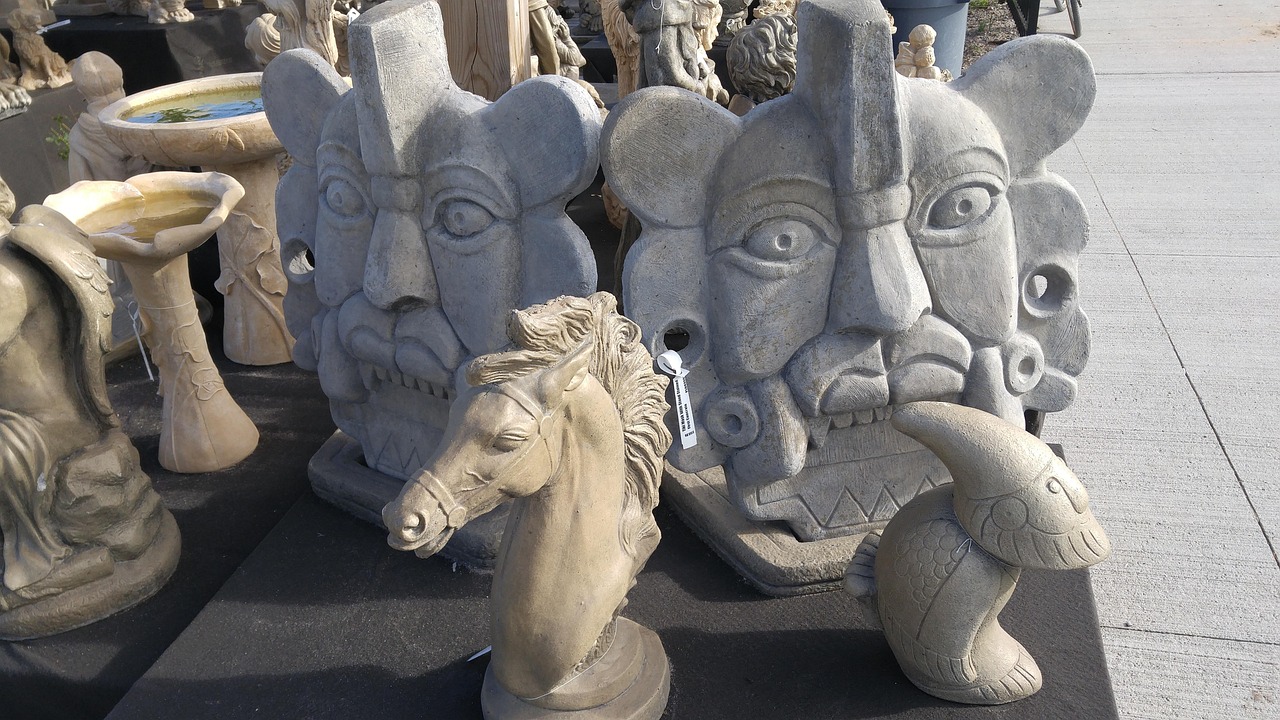
Museo Nacional de Antropología
The greatest museum in the Americas — the Aztec Sun Stone, Pakal's jade mask and the colossal Olmec heads under Chapultepec's umbrella courtyard: every civilization the ruins belong to, explained in one unmissable day.
Palacio de Bellas Artes
The marble palace of Mexican art — the Tiffany-domed opera house whose upper floors hold the mural wars: Rivera's recreated Rockefeller mural, Orozco and Siqueiros at full fury, and the Alameda's white-and-gold icon.
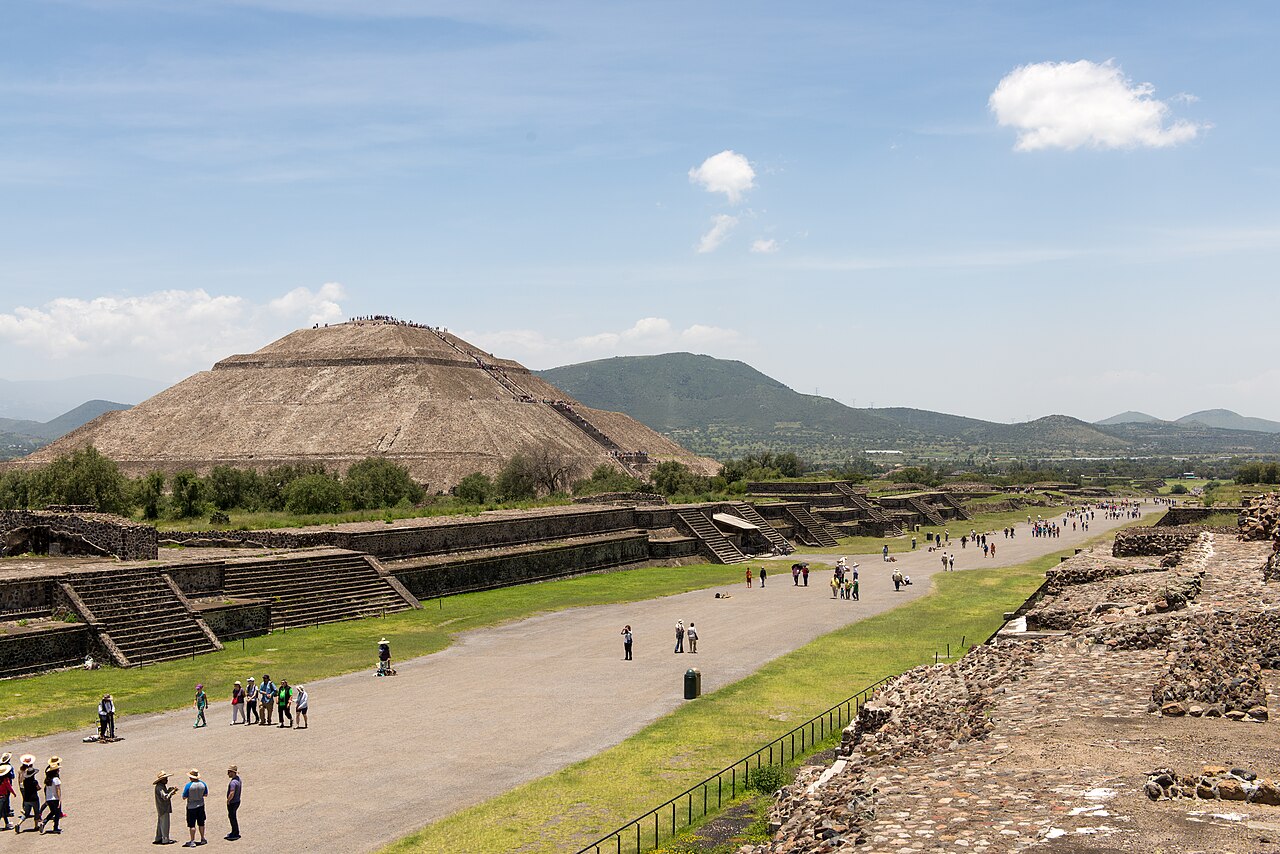
Teotihuacan (Mexico City)
The city of the gods — the Americas' greatest ancient metropolis, its Avenue of the Dead running between the colossal Pyramids of the Sun and Moon, an hour from Mexico City. Dawn balloons float above it.